
Helpful Information about Animal Removal Services in Colorado.
Finding a Safe Humane Way to Remove Unwanted Critters.
In Denver Colorado there are a variety of animals that could find their way into residential and commercial areas. When this occurs sometimes the owner becomes upset with damage that may have been done. However before this happens it is best to seek help ahead of time. Saving everyone from unnecessary grief, including the woodland creatures. These trained professionals will come out capture and release the animal back into its habitat. Where it can live a normal life away from society.
 Since Colorado is such a large state and depending on the location there are numerous critters that may become an issue. For instance it is well known that on occasion a raccoon might find its way into somebody yard. And even though they look cute and cuddly they can be dangerous, as well as destructive. Trying to find a way into an attic or crawl space to make a nest. Occasionally taking a swim in someones hot tub or pool in order to cool off. A raccoon will chew on insulation, wood, roof tops, and wires. They also go to the bathroom everywhere leaving a nasty odor and causing a threat to the health of home owners, as well as their family. Rummaging through trash cans leaving a path of destruction, in the hopes of an easy meal. As well as carrying a variety of diseases that can be passed on to humans, such as distemper and rabies. When feeling threatened a raccoon will attack pets, sometimes fatally wounding them, to prevent this, you can have a pet cage, check mypetcages.com.
A Denver bat removal, specializing in all wildlife removal, will come out and inspect the premises to figure out where they are coming in from. Once located all of the critters will be safely trapped and moved to a wooded area away from people. At a far enough distance so they do not find their way back to the property.
Another problem animal some home owners face are coyotes and foxes, finding their way into crawl spaces or under patios. If a person suspects these creatures are near their home or have heard them yipping, they should immediately contact an animal removal service in the area. When these canines urinate on a property it contaminates the soil, making it toxic to humans. Known to carry rabies and distemper, keeps pets and everyone safely away until all critters are removed.
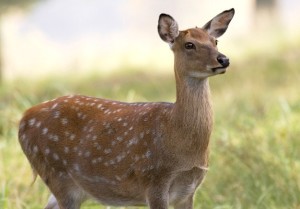
Deer are another part of wildlife that wander away from their habitat into residential areas. Sometimes weighing over two hundred pounds these animals can be potentially dangerous to both humans and their pets, especially if feeling threatened. When it is mating season they are extremely territorial and have no fear of anything or anyone. It is of the utmost importance to let a trained animal removal specialist handle capturing the deer and removing it from the premises.
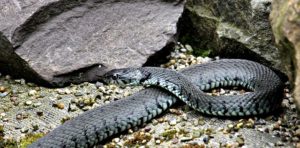 Animal removal companies are equipped to handle a variety of other creatures as well, such as skunks, gophers, snakes ( both venomous and non-venomous), birds, bats, squirrels, rats, mice, moles, birds, and several other species of animals.
Sometimes a critter is detected after it has already did damage to a property and most companies offer repair services. These technicians disinfect all areas that have been contaminated by urine and animal droppings. As well as replacing installation, patching up chimneys, roof tops, and siding.